
Wadi al-Hawarith
Updated: Aug 3
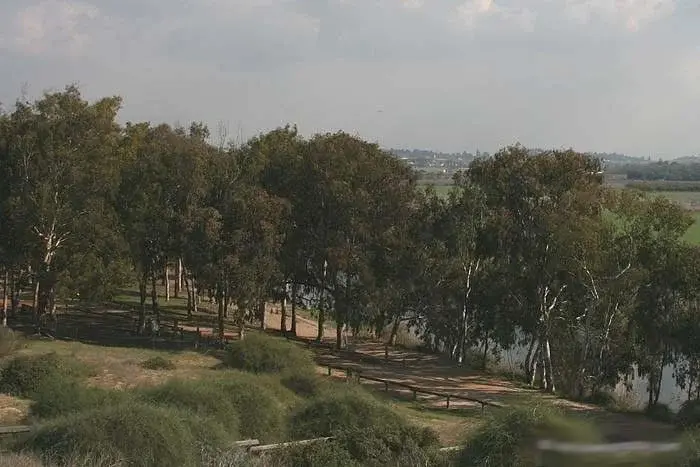
Wadi al-Hawarith consisted of northern and southern village sections located on plains west of the coastal main road. Originally called Wadi Iskanderounah, it was renamed after the Banu Harithah tribe settled there in the late 16th and early 17th centuries. The tribe descended from Banu Sibnas, part of the Qahtani lineage, and inhabited the area until 1929.
Until 1929, residents farmed the land as tenants. That year, they entered a prolonged conflict with the Jewish National Fund (JNF), which purchased the land from absentee owners. The JNF, a land acquisition arm of the World Zionist Organization founded in 1901, remains active today.
The population in 1929 was estimated between 850 and 1,500 people. The tribe cultivated 10,000–15,000 dunams and grazed livestock on another 10,000 dunams. Their resistance to eviction became a Palestinian national symbol of opposition to Zionist land acquisition.
The land, approximately 30,000 dunams, was owned by Antoine Bishara al-Tayan's family, who mortgaged it during Ottoman times. The JNF bought the land in 1929 through a public auction, paying nearly three times the auction price, circumventing tenants’ rights by excluding heirs from public mention.
The court ordered tenants to leave in 1930, but they resisted legally until the Supreme Court ruled in favor of the JNF in 1932. Despite attempts at mediation and temporary refuge in other villages, the tenants were expelled in 1933 from the “disputed zone” planted by the JNF with 43,000 trees.
After eviction, the JNF compensated tenants for crops they cultivated. By 1944–1945, tenants had planted 950 dunams of grain. Their determination to keep the land was based on 350 years of residence and a belief that absentee ownership was abstract, posing a threat to their tribal structure.
Post-expulsion, many became seasonal workers, government employees, or relocated, while about 300 remained nearby. By 1935, 23 homes existed; by 1944–1945, population was 1,330, cultivating 950 dunams of grain. By 1937, Zionist settlers farmed about 22,000 dunams nearby.
Occupation and Ethnic Cleansing
Psychological warfare and a Haganah attack in early 1948 forced residents to leave by March 15, 1948, as part of coordinated operations to cleanse the northern coastal plain of Arabs. This contradicts claims that evacuation was organized by Arab leadership. The final destruction of homes in late April/early May by Haganah and settlers made return impossible.
Village Today
After 1948, only the Abu Issa al-Hajjabi family remained in northern Wadi al-Hawarith, with ten houses still standing. Nearby is the settlement Giv’olim Teyman. Four houses remain in southern Wadi al-Hawarith, one occupied by an Israeli family.
Zionist Settlements on Village Lands
Kfar Haroeh (1934)
Kfar Vitkin (1933, south of village lands)
Giv’olim Teyman (1947)
Kibbutz Ma’barot (1933, near southern village lands)
Makhmur (near northern village lands)
(The last two are near but not on village lands.)
Source:
Walid Khalidi’s To Remember and palestineremembered.com


Comments